


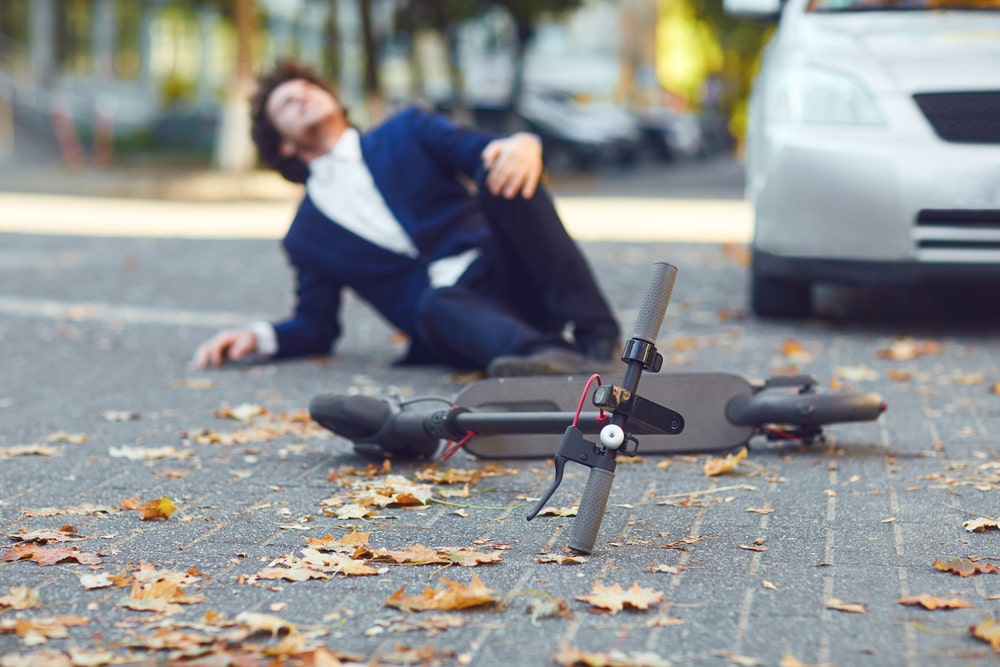
Electric scooters, dockless bikes, and other micromobility devices have exploded in popularity, promising convenient, affordable, and eco-friendly transportation. But while millions of Americans embrace these options for short trips and first-mile commutes, there’s an underreported side of the story: a rising wave of injuries, collisions, and personal injury claims tied to e-scooters and other shared mobility devices.
As cities expand access to these services, emergency departments, urgent care clinics, and personal injury attorneys see a steady stream of patients and clients — often with injuries far more severe than most riders expect. Understanding the causes, common injuries, liability issues, and safety tips is essential for both riders and pedestrians navigating today’s streets.
Below, our friends at KBD Attorneys discuss key information regarding electric scooter accidents.
The Surge in Electric Scooter Injuries
Electric scooters became mainstream in U.S. cities starting in the late 2010s, but injury rates are continuing to climb. These devices now account for a significant subset of urban traffic injuries — from minor scrapes and fractures to head trauma and spinal injuries.
E-scooter injury cases often occur due to:
- Lack of protective gear (helmets, pads)
- High speeds on uneven pavement
- Shared space with cars and trucks
- Poor signage and bike lane gaps
- Rider inexperience or intoxication
- Nighttime visibility issues
Common Types of E-Scooter Injuries
When riders fall or crash, injuries can be surprisingly serious. Common e-scooter injury types include:
- Traumatic brain injury (TBI) and concussion
- Facial fractures and dental injuries
- Spinal cord trauma
- Broken arms, wrists, shoulders, and hips
- Ligament tears and soft tissue damage
- Road rash and deep lacerations
- Joint dislocations and long-term mobility issues
Even seemingly minor scooter collisions can lead to expensive medical bills and long recovery times when they involve head trauma or fractures.
Pedestrians, Vehicles, and the Liability Puzzle
One of the most confusing aspects of electric scooter injury cases is liability — who pays when someone is hurt?
1. Rider vs. Vehicle Collisions
Scooter riders who collide with cars or trucks may file personal injury claims against motorists when the driver was negligent — for example, failing to yield in a crosswalk or making unsafe turns.
2. Sidewalk & Pedestrian Collisions
Shared device riders often travel on sidewalks, increasing risk to pedestrians. When a rider hits someone walking, liability depends on local ordinances, shared-space rules, and negligence standards.
3. Defective Scooter Devices
In some cases, injuries stem from equipment failure — faulty brakes, loose handlebars, defective throttles, or battery issues. These situations may lead to product liability claims against manufacturers or rental companies.
4. Government & Infrastructure Liability
When injuries occur due to poorly maintained streets, lack of bike lanes, or inadequate signage, victims sometimes pursue claims against municipalities or developers responsible for road safety.
The Cost of E-Scooter Injuries
Injury costs can be significant:
-
- Emergency room visits
- Imaging scans (X-rays, CT)
- Surgery and rehabilitation
- Physical therapy and assistive devices
- Lost wages due to recovery time
- Long-term disability care
A personal injury lawyer knows that, when riders lack insurance or clear legal frameworks, determining payment for these costs becomes a major challenge — and a growing reason people search for legal guidance.
Safety Tips That Can Help Prevent Crashes
While not every accident is avoidable, riders can reduce injury risk with these tips:
- Always wear a helmet
- Use reflective clothing and lights at night
- Stick to bike lanes when possible
- Avoid sidewalks in busy pedestrian zones
- Ride defensively around cars and large vehicles
- Check pavement conditions before accelerating
- Avoid riding under the influence
- Inspect the scooter before every ride
The Bigger Picture
Electric scooters and micromobility devices are here to stay — and they provide tremendous convenience and accessibility. But without proper infrastructure, safety education, and clear legal frameworks, they will continue to contribute to personal injury cases across the country.
Whether you’re a rider, a pedestrian, or an urban planner, understanding how and why these injuries happen helps communities adapt, protect citizens, and reduce unnecessary harm.